
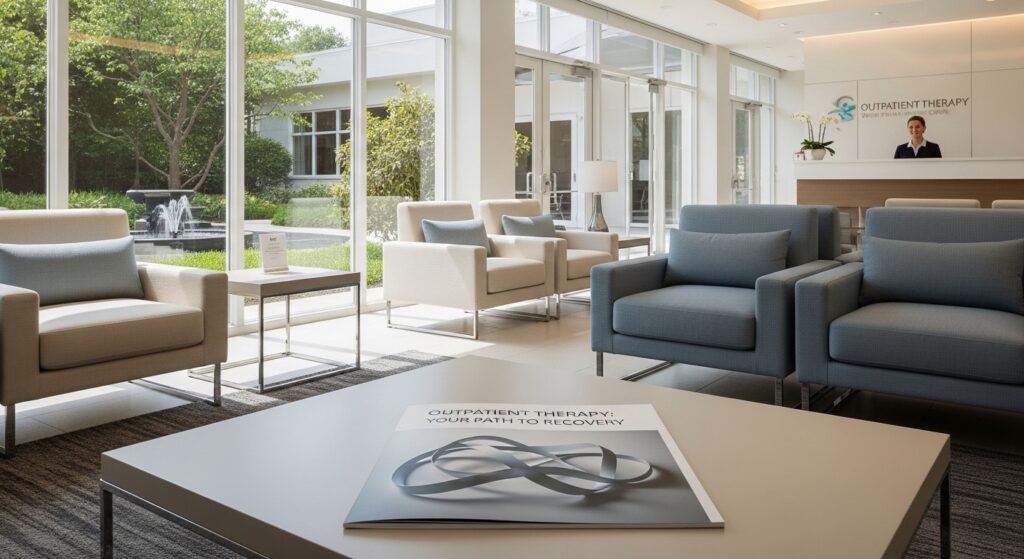
Luxurious Outpatient Therapy for Heroin Can Benefit You
The heroin epidemic is not slowing down. It is evolving, spreading and affecting families who never thought addiction would touch their lives. If you are researching outpatient treatment for heroin addiction, this is not a casual search. You are looking for a solution that works without dismantling your entire life.
South Shore Recovery Center in Plymouth, Massachusetts provides outpatient therapy for heroin when you just need the top facility in the state.
Understanding Outpatient vs Inpatient Treatment
Before choosing a program, you need clarity. Inpatient and outpatient treatment are built for different clinical needs.
Inpatient rehab requires you to live at the facility full time, typically for 30 to 90 days. It provides 24-hour medical supervision. For individuals with severe addiction, unstable housing or high medical risk, that level of intensity can be lifesaving.
Outpatient treatment can range from several weeks to several months depending on progress and personal requirements. While you are not residing at the facility, you are still receiving structured, professional care.
The decision should be based on severity of addiction, medical risk, and mental health history. For many people with mild to moderate heroin use disorder and a safe place to live, outpatient care is not only appropriate but highly effective.
More Affordable Access to Care
Oftentimes, high prices prevent people from receiving outpatient heroin detox. You don’t need to overpay for quality inpatient programs, including housing, meals and around-the-clock supervision. Those services are necessary for some, but they increase overall cost. Outpatient treatment removes residential expenses while still delivering clinical services, making it significantly more affordable.
For many families, this difference is what makes treatment possible. Insurance often covers outpatient services, including medication-assisted treatment and behavioral therapy. South Shore helps verify insurance for free quickly so you understand your options upfront. Financial clarity reduces hesitation. When addiction is escalating, hesitation is dangerous.
Immediate Access to Medication-Assisted Treatment
Heroin addiction is not just behavioral. It is biological. Research consistently shows that Medication-assisted treatment, or MAT, significantly lowers overdose risk and improves treatment retention.
Heroin outpatient treatment in MA often provides MAT alongside therapy, creating a comprehensive treatment plan. You are not expected to power through cravings with willpower alone. Your brain chemistry is stabilized while you work on the psychological and behavioral aspects of addiction.
For many patients, this combination is the turning point. Cravings decrease. Thinking becomes clearer. Therapy becomes more productive.
Stronger Use of Existing Support Systems
Addiction isolates people, but recovery is different. One of the overlooked strengths of outpatient care is that it lets folks remain connected to understanding family members and peers. When appropriate, family therapy can be integrated into treatment. Education helps loved ones understand addiction as a medical condition rather than a moral failure. This builds accountability and strengthens communication.
Recovery is more sustainable when your home supports it. The top outpatient treatment allows you to rebuild trust and repair relationships in real time rather than postponing those conversations.
If your home is supportive, outpatient care leverages that advantage instead of removing you from it.
Strong Long-Term Outcomes for the Right Candidates
There is a misconception that inpatient treatment is always more effective. That is not universally true.
For individuals with stable housing, strong motivation and moderate levels of heroin use disorder, outpatient treatment can produce outcomes comparable to inpatient care. Retention in treatment is one of the strongest predictors of success. Outpatient programs that combine MAT and behavioral therapy significantly improve retention rates.
When patients stay engaged, overdose risk decreases. Quality of life improves. Mental health stabilizes. Relationships strengthen.
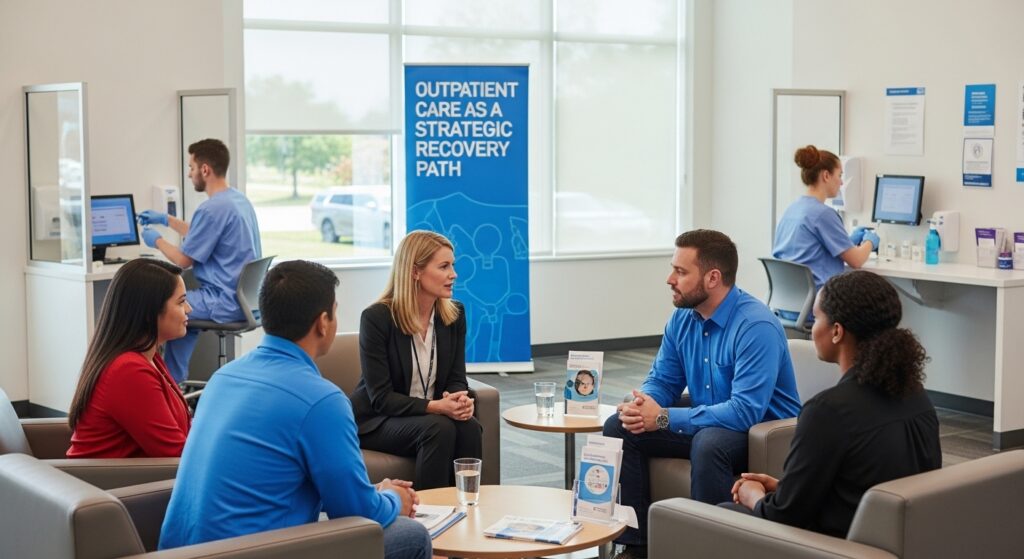
Outpatient Care as a Strategic Recovery Path
Outpatient heroin treatment is not about convenience. It is about alignment. The right level of care, delivered at the right time, with the right support.
As the heroin crisis continues, scalable and accessible treatment models are essential. Outpatient care meets people where they are while holding them accountable to structured recovery goals. It supports early intervention and long-term relapse prevention without isolating individuals from their responsibilities and support systems.
If you are waiting for a “worse” moment to justify treatment, reconsider that strategy. Heroin addiction rarely improves on its own. Acting early increases safety and preserves stability.
Outpatient Treatment at South Shore in Massachusetts
South Shore’s outpatient heroin treatment combines medication-assisted treatment, behavioral therapy and personalized care planning in a professional and supportive setting.
Whether you are stepping down from inpatient rehab or seeking structured support for the first time, the outpatient programs are built to produce measurable progress. Looking for the best heroin outpatient treatment in MA? Call South Shore today.
