If doxycycline has turned your life upside down, you’re not alone; in fact, many people feel that doxycycline ruin their lives due to serious side effects.
This article dives into these issues and offers guidance on what to do next.
Doxycycline is a go-to antibiotic that has proven to be effective against a wide range of infections, including respiratory and urinary tract, sexually transmitted and eye infections and severe acne, when fighting off a bacterial infection. It also has the added benefit of being used as a malaria prevention tool in areas where this disease is a high risk.
Doxycycline works by halting the growth of bacteria by blocking protein synthesis. It’s highly effective but will bring on side effects for some, and has the potential of contributing to antibiotic resistance, if used inappropriately.
Doxycycline can lead to significant disruptions in daily life due to side effects such as photosensitivity, gastrointestinal issues, headaches, and mood changes.
Long-term use of doxycycline may result in chronic health problems, including kidney dysfunction, joint pain, tooth discoloration, and systemic symptoms that can affect multiple organs. It is crucial to communicate with healthcare providers about these potential risks and complications.
Managing withdrawal symptoms and potential medication interactions is essential, and alternatives to doxycycline should be considered based on individual health needs.
Awareness and proactive management of doxycycline’s severe pain side effects can help improve patient outcomes and quality of life during treatment.
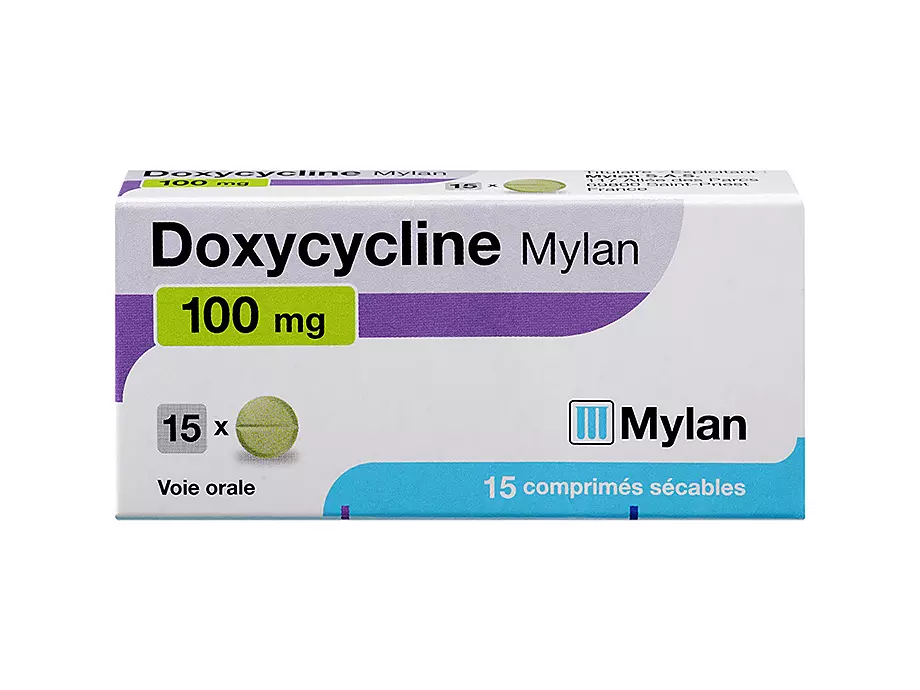
Doxycycline is a prescription antibiotic and prescription medication belonging to the tetracycline antibiotic class, widely used to treat various bacterial infections. This versatile medication is effective against a range of conditions, including respiratory infections, urinary tract infections, sexually transmitted infections, and Lyme disease. Additionally, doxycycline is often employed as a preventive measure against malaria for those traveling to high-risk areas.
Available in various forms such as tablets, capsules, and suspensions, doxycycline is a go-to option for treating bacterial infections due to its broad-spectrum efficacy. Doxycycline should not be used to treat viral infections such as the common cold or flu.
It gets in the way of a bacteria’s ability to produce proteins, when doxycycline is used. Coming hotfooting into the heart of the bacterial cell, it cuts off the growth and spread of these microorganisms, and because it can attack so many types of bacteria, it’s effective against respiratory infections, urinary tract infections, and sexually transmitted infections.
Doxycycline prevents the bacteria from manufacturing the proteins it needs to survive, and this leads to the death of the bacterial cells, making it a very effective antibiotic.
Doxycycline, a well-known tetracycline antibiotic, has a broad range of uses, including for respiratory tract, urinary tract, and sexually transmitted infections, when prescribed by healthcare providers. Coming under the brand names of Vibramycin, Doryx, Monodox, Oracea, and Adoxa, this versatile drug is accessible in capsules, tablets and slow-release tablets, so can be tailored to suit different needs.
The amount of doxycycline you’ll need is determined by the sort and severity of the infection, how old you are and how much you weigh. Regularly, adults are given anywhere from fifty to two hundred milligrams of doxycycline a day, taken once or twice a day. It’s very important to stick to the dosage prescribed by your doctor, and finish the whole treatment. This not just kills the infection, but also helps combat the rise of antibiotic-resistant bacteria, a growing problem in the world.
Doxycycline works by blocking the production of protein in bacteria, which in turn, stops them from spreading. But, while it’s a very effective treatment, it’s not without its side effects, and can cause severe skin reactions, allergic reactions, and stomach problems. In rare cases it may cause something called intracranial hypertension, marked by severe headaches or vision changes, so if you notice any of these symptoms, you need to get immediate help from a doctor, when taking doxycycline.
The way you take your doxycycline is also crucial, as food and calcium products will cut down the amount of the drug that gets absorbed into your body, so try to take it on an empty stomach with a full glass of water. It’s also best to avoid calcium-rich foods and supplements around the time you take doxycycline.
Doxycycline can also interact with other prescription medications, such as blood thinners, to make them less effective or raise the chance of unpleasant side effects.
So be sure to let your healthcare provider know everything you are taking. If you experience severe side effects or reactions, your doctor may suggest different treatment. Coming off doxycycline can cause mild withdrawal symptoms, such as nausea, vomiting and diarrhea, but these usually go away quickly.
Knowing which brand and dosage of doxycycline you are taking, and how to take it safely, gives you the information you need to make informed decisions about your health. Working closely with your healthcare provider and being aware of potential side effects and interactions, you can cut down the risks and get the best results from doxycycline.
People’s lives can be severely disrupted, and the number of those who have been thrown off track is substantial, when taking doxycycline. Coming into contact with others or doing their job is no longer as effortless as it used to be, and the side effects can make it difficult to fall into a regular routine.
Some of those who are affected, feel as if their normal functioning capabilities have been completely destroyed.
The rare but dangerous possibility of intracranial hypertension is a good reason to monitor the use of doxycycline, it can cause the pressure inside the skull to build up, leading to severe headaches and irreparable blindness, and we must take that into account when planning our daily lives.
Neurological symptoms such as headaches, problems with concentration and mood swings can add to the disruptions in daily life.
Another challenge that people on doxycycline may face is photosensitivity, and this can mean that their whole day is dictated by the amount of time they can spend in the sunlight, and subsequently, the number of social events they can attend.
The brand and strength of doxycycline can affect the severity of these issues and for some, they are fighting a losing battle against the negative effects, and feel completely, hopelessly trapped.
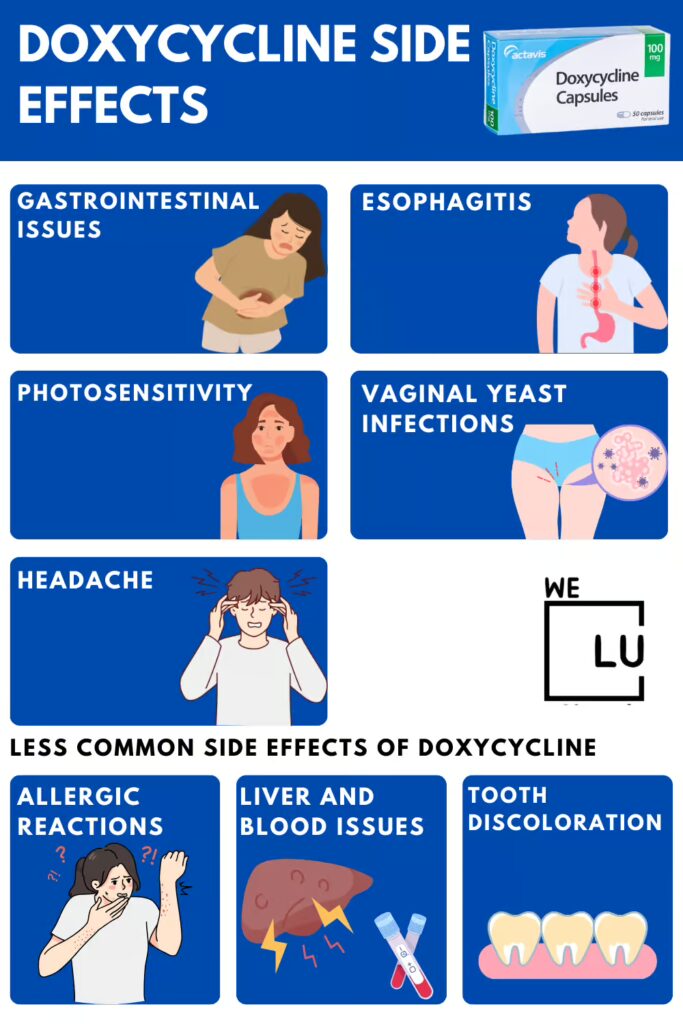
People often experience side effects that make it difficult to live a normal life, coming down with headaches and nausea that hinder their ability to carry out their regular routine, when taking Doxycycline. The negative impacts of these symptoms can eventually outshine the benefits provided by the medication, and for those who take Doxycycline to treat their acne, its effectiveness may be reduced.
Doxycycline is usually combined with clindamycin to combat severe acne, and when looking at this combination, one must weigh the possible side effects.
The gastrointestinal tract is a specific area of concern for Doxycycline therapy, and often, patients are plagued by stomach pain, vomiting and explosive diarrhea. Unwise intake of Doxycycline. Such as reclining down right after taking the drug or not drinking enough water, can cause a burning sensation in the esophagus and send people into agony with heartburn and swallowing problems. The problems caused by this can also make people feel queasy and lose their appetite. On top of this, Doxycycline can destroy the natural balance of good bacteria in the stomach and lead to yeast infections, which require further medical intervention. Even drinking lots of water doesn’t guarantee relief from all the stomach troubles, unfortunately.
Sun sensitivity is another significant side effect of Doxycycline, where the risk of getting a nasty sunburn goes through the roof. Taking steps to avoid strong sunlight is crucial, as well-known skin reactions can be very serious, and only lead to physical pain, confining people to their homes more often, and affects their general well-being. Watch out too for skin rashes and redness, which may be a sign that a person has an allergic reaction to the treatment.
A rare but severe reaction is a possibility, when taking doxycycline. Severe allergies to doxycycline are a serious concern, and can take the form of life-threatening reactions such as anaphylaxis and severe skin reactions that require immediate medical help.
Skin reactions may cause discomfort and can leave individuals with blistering or peeling skin, which is not pleasant and is detrimental to one’s well-being. Severe skin reactions can be found in one out of 100,000 people.
Anaphylaxis, an extreme and life-threatening allergic reaction that can be caused by a severe allergy to doxycycline, is signified by facial swelling, breathing difficulties, a sore throat and a change in skin colour. In these cases you need emergency treatment.
If you are experiencing any of the serious side effects, contact your doctor.
When doxycycline is taken over an extended period of time, it’s not a guarantee that the problems will go away when you stop taking the medication. This is especially the case for the kidney function which can be severely impacted by the antibiotic.
The ongoing monitoring of kidney function is necessary for those who have received long-term or high-dose doxycycline treatment to avoid damage to kidney and related renal problems.
Another significant side effect that may last is the severe joint and muscle pain that has been experienced by some patients on this antibiotic. Chronic pain is often not caused by the antibiotic itself, but can be a result of the original infection and may further complicate day-to-day routines.
People whose dental appearance has been altered due to tooth colour change by this antibiotic often don’t find this easy to live with.
People may experience a change in their mental health, which is not rare, and can manifest in increased anxiety and depression, when taking Doxycycline. Coming across these feelings, the emotional impact can be completely different from one person to another, and some may become disheartened and powerless, others may be wracked with anxiety or plummet into the depths of depression.
Chronic fatigue can amplify these mental health problems. If you notice a dramatic shift in your mood or start to feel concerned about your mental well-being, it is highly recommended to speak to your healthcare provider so that he can intervene and correct any issues.
It is generally advised to avoid or limit alcohol consumption during doxycycline treatment to ensure the antibiotic’s effectiveness. While doxycycline does not have a direct interaction with alcohol, combining the two can have indirect effects, such as an increased risk of side effects and reduced effectiveness of the medication. Alcohol can also impair the immune system, potentially prolonging the recovery process. Therefore, to maximize the benefits of doxycycline and ensure a swift recovery, it is best to minimize alcohol intake during the course of treatment.
Doxycycline is not a drug commonly associated with abuse. It is not considered “doxycycline addictive,” as it does not cause dependence or withdrawal symptoms. It does not have psychoactive properties or produce euphoria, which are typical characteristics of substances prone to abuse. Primarily used for its antibiotic properties to treat infections, doxycycline does not have the potential for addiction or misuse like controlled substances. Its role is strictly medicinal, aimed at treating infections effectively without the risk of dependency.
While doxycycline is not addictive, it is possible to overdose on the medication. Symptoms of an overdose may include nausea, vomiting, diarrhea, and stomach pain. In severe cases, overdosing can lead to more serious complications, such as seizures, coma, and respiratory failure. If you suspect an overdose, it is crucial to seek medical attention immediately. Proper adherence to prescribed doxycycline dosages and consulting with healthcare providers can prevent such risks and ensure safe and effective treatment.
It is unlikely to cause physical dependence or lead to withdrawal, but some people can be left severely affected, when doxycycline is used. Coming to terms with the side effects that they have experienced is not a quick process, and individuals who feel that “doxycycline ruined their life” will require more than just ceasing the medication to heal.
If the side effects of doxycycline have caused severe skin issues, ongoing digestive problems, anxiety and depression then medical help should be sought out. A healthcare professional can help manage the lasting problems, check in on the mental health and see if a different antibiotic would be safer for the patient. Counselling or mental health services may also be really useful if the experience has caused any lasting stress or emotional problems.
Recovery is something that is best worked out with a healthcare professional. You can formulate a custom plan that may involve changing medications, managing any persistent symptoms, and getting mental health support. People are not on their own in the healing process and with the right support and guidance, recovery is attainable.
As for doxycycline, taking it continuously or using it for viral infections like colds or the flu can contribute to the growth of antibiotic-resistant bacteria, and should therefore be avoided. Coming off the treatment early or not sticking to the prescribed dosage, allows the bacteria to adjust, and makes the antibiotic less effective in future infections. It is necessary to complete the full course of the antibiotic to fully clear the infection and prevent complications.
Antibiotic resistance is not a personal concern, but a major public health problem.
Overuse and misuse of antibiotics feed the rising rate of antibiotic resistance. The same responsible antibiotic use can preserve treatments for respiratory infections, urinary tract infections, and many other conditions.
If we can understand the issue and take responsibility for the use of antibiotics now it’s up to each one of us.
It can be tough to shake off the effects that remain in your system, and the duration depends on the dose, frequency of use and how quickly you metabolize the drug, when you stop taking doxycycline.
Doxycycline’s half-life, the time it takes for the drug’s level in your system to reduce by half, is between 18 to 22 hours. Typically, one could find a residual level in your system for around 4 to 6 days after the last intake.
Coming off the drug may also bring about a multitude of withdrawal symptoms. They can range from issues in the gastrointestinal tract, through to headaches and general discomfort. If you’re experiencing any of these, consult a doctor, so that you can manage your symptoms effectively.
When discussing treating bacterial infections, there are a number of antibiotics that are at our disposal. Amoxicillin is often prescribed for strep throat and pneumonia, clindamycin is a powerhouse against certain types of skin and respiratory infections and azithromycin is known for its ability to tackle both respiratory and skin infections. Coming hotfooting in where doxycycline isn’t suitable, some other antibiotics may be considered.
Well-known examples of these are erythromycin, clarithromycin and flucloxacillin. What antibiotic you get, will depend on the sort of infection you’re dealing with and any pre-existing conditions you may have. It’s up to the doctor to figure out which one is best for you.
When you’re taking doxycycline, it can interact with other medications and potentially lead to unwanted side effects. For example, when combined with drugs like warfarin, the risk of bleeding could increase. It’s crucial to inform your healthcare provider about all other substances you’re consuming—this includes any herbal supplements and vitamins—to steer clear of common drug interactions.
Prior:
Drugs that are comprised of calcium, iron, magnesium, or aluminum might impede doxycycline absorption into your system. These substances can interfere with doxycycline absorption, reducing its effectiveness. This interference could diminish how well this antibiotic works for you. To ensure optimal absorption when taking doxycycline, one should also refrain from foods rich in calcium during that time frame.
Subsequent:
A list follows of substances known to reduce the efficacy by which doxycycline is absorbed:
Calcium
Iron
Magnesium
Aluminum
The presence of these elements can disrupt how effectively the antibiotic performs its functions within your body. Similarly important is avoiding high-calcium foods while on a course of doxycycline if efficient absorption is desired. Note that taking this medication may undermine an oral typhoid vaccine’s effectiveness as well.
The antibiotic commonly used to combat urinary tract infections, respiratory infections, and sexually transmitted infections, it’s crucial to stick to the prescribed dosage to avoid side effects and contribute to antibiotic resistance, when taking doxycycline.
Signs of severe reactions to doxycycline are rashes, breathing difficulties, and intense stomach pain, if they occur, seek immediate care and let your healthcare provider know if you have had any previous allergic reactions to antibiotics.
Dairy, calcium, calcium supplements and high calcium foods hinder the absorption of doxycycline.
Best to avoid them for a few hours after each dose. It’s also a good idea to tell your healthcare provider about any other medications or supplements you are taking, as interactions may render the treatment unsafe or less effective.
When it comes to alcohol, limit it’s consumption during treatment as it can exacerbate unpleasant side effects, impede healing and reduce the efficiency of the antibiotic.
Several practical measures can help minimize side effects while on doxycycline. Staying well-hydrated can help flush out toxins and alleviate some side effects. Taking doxycycline with food can mitigate nausea and stomach discomfort.
Avoiding calcium-rich foods around the time of taking doxycycline ensures better absorption. Probiotics can help restore healthy gut bacteria disrupted by doxycycline. Wearing protective clothing and using high-SPF sunscreen can prevent sunburn due to increased photosensitivity. These steps can significantly aid in managing side effects.
Narratives from individuals who have endured the side effects of doxycycline underscore its tangible impact on daily life. These accounts frequently emphasize substantial adverse effects, including severe skin reactions that can interrupt regular activities.
In certain cases, the digestive disturbances prompted by doxycycline compel people to forgo social events centered around meals. These personal anecdotes accentuate the necessity of recognizing and controlling the potential adverse effects associated with doxycycline.
Seeking medical assistance and backing is essential for the proper management of doxycycline intake and to tackle any related issues. Engaging with healthcare experts can result in care that is more tailored to individual needs, thereby enhancing its effectiveness. Maintaining a transparent dialogue with health professionals enables patients to feel better supported and knowledgeable about their course of treatment.
The emotional support from loved ones plays a significant role during the experience of side effects associated with doxycycline. Participation in support groups provides an opportunity to connect over common experiences and gain important knowledge, which aids individuals in navigating through the difficulties presented by doxycycline.
Summarizing the key points of the article, we have seen that doxycycline can have a wide range of side effects, from common issues like nausea and headaches to severe allergic reactions and long-term health complications. Mental health effects and the risk of antibiotic resistance further complicate its use.
In conclusion, it is vital to manage these side effects proactively and seek medical help when necessary. Understanding the full spectrum of doxycycline’s impacts can help individuals make informed decisions about their treatment and maintain their overall well-being.
As for treating a range of bacterial infections, doxycycline has been a go-to medication for years. It’s commonly used for respiratory tract infections, urinary tract infections, sexually transmitted infections and severe acne.
Doxycycline works by killing bacteria through a process that halts their protein synthesis, this makes it a very valuable medicine. Unfortunately, as the article shows, doxycycline can cause quite a lot of unpleasant side effects, from stomach problems and skin reactions, to severe allergic reactions and ongoing health problems.
The capacity for severe reactions, resistance to the drug and problems with mental health have made doctors really sit up and take notice of the way they prescribe doxycycline. If you’re taking doxycycline and notice any unusual side effects, you need to see your doctor right away. Coming off the medication might be an option, and they can suggest other treatments that are less likely to cause problems.
Doxycycline begins to work within a few hours, but it usually takes 1 to 2 weeks to fully clear an infection.
It’s important to complete the entire prescribed course for effective treatment.
You cannot eat eggs with doxycycline because they contain calcium, which can hinder the absorption of the medication and decrease its effectiveness.
To ensure optimal results, avoid consuming eggs and similar foods within two hours of taking doxycycline.
Doxycycline can cause serious side effects, including severe skin reactions and increased pressure in the brain, but these occurrences are rare.
It’s essential to be aware of these risks and consult a healthcare professional if you experience any concerning symptoms.
Doxycycline can potentially cause permanent damage, including irreversible vision issues and permanent tooth discoloration.
It’s important to discuss these risks with your healthcare provider before starting treatment.
The most common side effects of doxycycline are headaches, nausea, gastrointestinal issues such as stomach pain and diarrhea, as well as photosensitivity.
It’s important to be aware of these effects when taking the medication.

As the Medical Director at New England Psychiatric Consultants, I’m dedicated to elevating mental health care through compassionate, evidence-based practices. With a robust clinical background and leadership experience, I work closely with multidisciplinary teams to design and deliver comprehensive outpatient and consultative psychiatric services. I’m passionate about championing innovative treatment approaches and optimizing patient journeys from assessment through recovery.
Key Expertise & Achievements
Leadership in clinical operations, quality assurance, and regulatory compliance
Implementation of integrated care models that enhance patient access and outcomes
Expertise across mood disorders, anxiety, and serious mental illness
Advanced training in psychopharmacology, psychotherapy, and collaborative care strategies
Professional Approach
Driven by empathy, teamwork, and data-informed decisions, I strive to foster environments where clinicians and patients alike feel supported. Whether guiding team development, streamlining care pathways, or navigating complex cases, I take a thoughtful, solution-oriented stance.
